Links
- Channeling Marilyn | Book by Mima Tipper | Official Publisher Page | Simon & Schuster
- Results for “channeling marilyn” | Phoenix Books
- Email: mimatip @gmail.com
- Website: www.mimatipper.com
- Instagram: Mima Tipper (@mimatip)
- Mima’s Substack | Substack
- Mima Tipper | LinkedIn
- Mima Tipper (@mima.tipper)
Interview Details
Date: Sunday September 13th 2026
Location: Uncommon Coffee, Essex Vermont
Length: 50:17
Episode Number: 75
Transcript
Becca: What’s new, 802? I’m Becca Hammond, and you’re listening to Vermont Talks. Vermont talks may include graphic or explicit content. Listener discretion is advised.
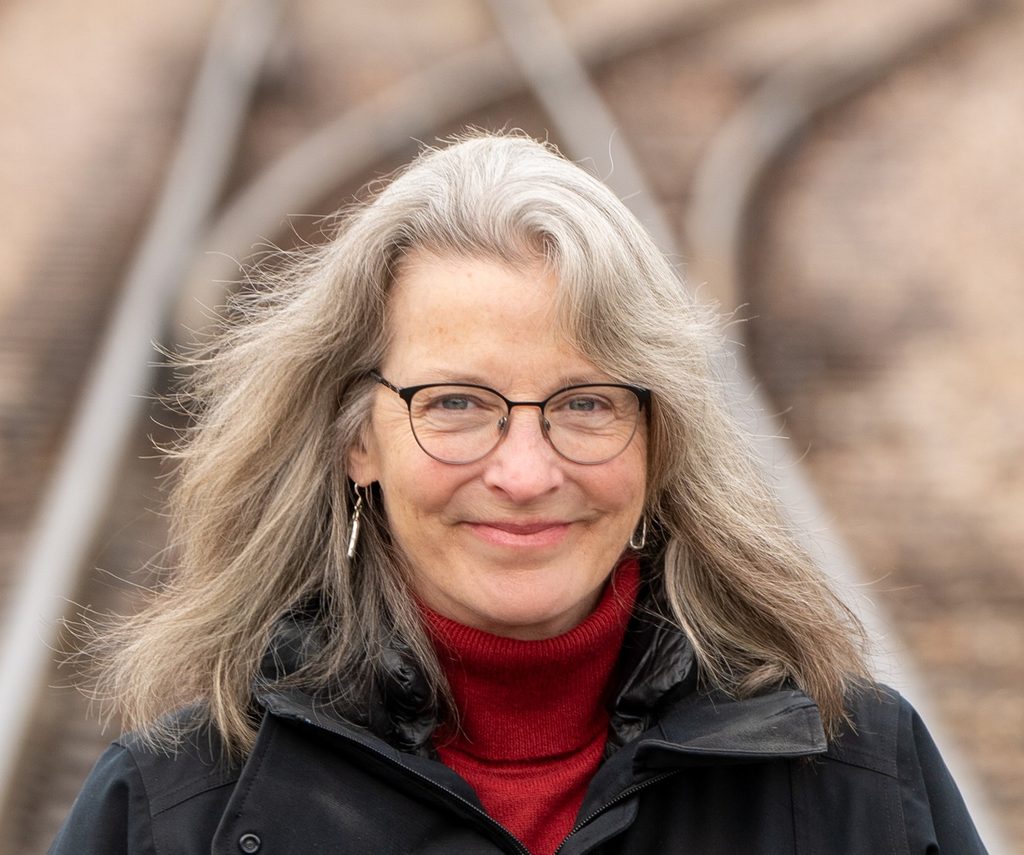
Becca: Welcome to the 75th interview of Vermont Talks. It is Sunday, September 13th in 2026. And I am back at Uncommon Coffee in Essex today. And I’m here today with Mima Tipper. And Mima is the author of Channeling Marilyn.
She writes press June 2nd, 2026, a recent bronze medal winner for the paranormal young adults. YA is it just referred to YA? Pretty much.
Yeah. Okay, paranormal YA in the 2026 readers’ favorite book awards. And channeling Marilyn is a young adult paranormal comedy novel about a teenager whose life goes sideways when the spirit of Marilyn Monroe takes up residence in her body. Which is so fun. And Nima is half Greek, and a lot of her writing reflects her Greek heritage. Welcome on the show, Mima.
Mima: Thank you, Becca. Great to be here.
Becca: I love the concept of this novel. If you’d like, would you like to tell us a bit about it? Obviously, we don’t want to ruin the story, so we won’t go too far. But it’s also a body positivity novel, right?
Mima: I think that’s one of the elements that people have picked out, especially. And I definitely, that was something that was important to me uh in writing it, thinking about my main character and about Marilyn also in her life and her in her legend.
So yeah, it’s um, you know, basically you gave a good little brief synopsis. Um, but yeah, it’s Lexa Donovan is a 17-year-old high school student who sort of longs for something different to happen to her in her senior year, and she’s also pretty tired of being kind of in the background of her of her own life, um, being a bit player in her own life. And uh so by luck of the lottery, literally, she wins a spot in her high school senior spring drama production that’s going to be the play bus stop. And um, you know, that’s exciting until she gets selected to be the lead uh showgirl Cherie. And you know, one thing Lexa knows is that she is the exact opposite of a sexy showgirl, especially the most famous Cherie uh ever, which was played by Marilyn Monroe in the movie version of Bus Stop. So she’s you know, her happiness turns to panic and she wants out of the play, and then um uh sort of by another strange happenchance, uh, the spirit of Marilyn Monroe comes to Paul and wants to be her uh her acting coach. And so, you know, that’s as far as I’ll go with the story, I don’t want to give too many spoilers away, but just know that there’s a lot of high school magic and mayhem that ensues, and uh there’s a little bit of romance, and um, you know, by the end of the story, both characters, both Marilyn Spirit and Becca, I mean uh Lexa, sorry, your name is Becca. Lexa, um, you know, sort of have to dig deep to figure out what each really needs to move on, as I I was saying in life and in death. So that’s the the short story of it. What a fun idea.
Becca: Uh it’s I love the idea of the like spiritual seance kind of thing where a famous person’s coming back, and then kind of like this is kind of like a sweet wholesome way, because everyone knows about Marilyn Monroe. It’s not like she has not faded from history in any way, shape, at all.
No, and her image, like they still use her images on things that kids wear, which I think is amazing. So it’s really sweet. I think the the concept is really sweet, and I think young adult novels are so important.
For me personally, when I was a kid, some of those stories that weren’t best sellers or anything, but I kept rereading these books because they personally meant so much to me. So these stories are so fun because there’s there’s a hundred percent people who are kind of witchy, right? There’s kids out there who are a little witchy who and uh we talk about the spirits coming back.
That’s that’s this is just up their alley. So I like this idea a lot. I’m really happy that you wrote this book. Thank you. And yeah, let’s let’s talk a little bit more about how long it took you to write this book. Like what was your process like?
Mima: So I so I started this novel in 2009. And um, the impetus, the inspiration was, you know, I I was always a fan of Marilyn Monroe, her movies as a child. I grew up watching her comedies mostly because that’s what was really more available to, but I wasn’t like a super fan, and and believe me, in all my research, the years of research, uh, I spent time in some of the fan on the fan sites and in the fan rooms, and um, you know, there are people who absolutely are super fans, and just she is an avid, you know, a complete part of their lives on a day-to-day basis.
So I was never one of those people. And it was really, as you were just saying, about how prevalent she is in our uh pop culture, that I uh was inspired to write this book. So in 2009, my daughter was then like a tween, and she came home from school one day, and I don’t know why, but she had a paper copy of Teen Vogue in her backpack.
So I thought, oh well, I was living in Burlington. Okay, like let’s she’s a fashionista, she still is. And I thought, well, let’s just sit down and take a look at this magazine together while you’re having your little after school snack. So we started going through it and you know, turn a page, and you know, there was uh a like a model for like a perfume or a makeup, something all dressed up like Marilyn Monroe, like pinup style. And I thought, oh, well, that’s kind of I mean, it’s teen vo in like the 2000s. I was like, that’s kind of odd. You know, this is this woman’s been dead for like over at that point, over 50 years, like what?
And then later in the same magazine, there was another uh like an actress or you know, or pop star, whatever, um, also dressed up like to look like Marilyn. And I just thought, this is like wow. And my first thought was like, geez, why are these people gonna leave her alone or what? I mean, come on. And then it started to occur to me, like, you know, like if her spirit was up there, like what would she think of this? I mean, what would she think about this?
That her fame, she has like more fans, there are more people on the planet stuff, more fans than probably she ever had when she was alive, and people just don’t let her go. And then, of course, after that, I became a Maryland magnet. I mean, I saw, like you said, I saw you know, clothing lines at JC Penny that were a Maryland capsule collection. Recently, just a couple of weeks ago, Lee Jeans released a Marilyn capsule collection of fashions and perfumes, and um, you know, uh Kim Kardashian wearing her famous dress that Marilyn wore at Madison Square Garden at the Maggala. It’s like these are pop figures that have nothing to do with Meryl Monroe, but they’re just so fascinated with her glamour, and she just is everywhere. So that really kind of was the inspiration for um the novel that I just kept thinking, like, well, what would she think of this?
And if her spirit was alive, like what what if she could come back here, like like who who would she visit and why and how would that play out? So then the story started to take shape. So, you know, so that was in 2009, and then I started it just wouldn’t leave me alone the way stories do. You just are so interested. It was really her fame and her legend that kind of grabbed me and made me want to create a character, and I think that’s the spirit thing really because I love fantasy books. I’m huge fantasy nerd.
We that’s a whole other topic. Um, but I was psyched to have a fantasy that I was excited to write about, and that I felt that I could um that just seemed like a fun thing that I could write. And so um, so then I started really researching her life, and I knew sort of the broad strokes of of her life a little bit, but um, so I you know, I but I learned so much more about her, and you know, just fact and fiction and conspiracy theories, and I really did not want to write a story about her life.
Yeah, I really like to me it’s like that’s her story. So many people have written about it, so many people have created fantasy about it and and truth. There are some facts that people know of things that happened. Like one thing I say is you know, she was married three times. There’s documentation that shows that that’s a fact, but um, you know, there’s so much that was just speculation, and I didn’t want to I wanted to respect her life as hers. And I even say that early in the book, that it’s like you know, that’s a conversation that she has with Lexa.
Uh, that of course Lexa can go and look up every single dirty little story about her on on the that computer thing that you people use, but um, you know, Lexa, uh, you know, I just will give that away. She chooses not to, and it’s just seems rude to do that. She’s right here, like with me like me Googling you while we’re sitting here talking. So she’s just like, yeah, I’m not gonna do that. Because Lexa doesn’t know anything about Marilyn except for her public image. She watches the film of Bust Up, she sees this gorgeous woman, very sexy, just like I am not that. Right. And the legend, yeah, and the legend surrounds her that she’s still thought of as you know, this most beautiful woman and the personification of beauty and glamour and everything that you know the Western world wants.
I’m really gonna differentiate between the cultures. But um, so uh so I I just wanted to make my own story and spent the next whatever where this 2026. Um, you know, I worked on it on and off for years. I had a lot of readers, I had a lot of uh feedback.
I had you know many, many, many drafts, many getting to know the characters better and deeper more deeply, and lots of of revision uh over the years. And then this year, you know, it came up that it was like, wow, it’s or a couple years ago, it’s like, oh my gosh, uh, do I want to, you know, I had a book come out in 2025, and it was like, do I want to have another book come out? I um it’s like, oh man, it’s 2026. That’s like her 100th birthday. Ah, like if I’m gonna do this, I better do it because that’s just the time. It wouldn’t make sense to do it. So I I had the opportunity to to um move forward with the project, so I just took it and went for it.
Becca: That’s fantastic. It I love a story that you couldn’t forget.
Mima: The idea that you thought of this
Mima: that long ago and actually put all the time and effort
Becca: into looking up her history without actually rewriting it.
Mima: Yeah, no, I mean it’s like I’m not gonna make stuff up and you know, just really focused on so I I really in my research, I really I looked at move the movies over and over. I watched interviews, I looked at photographs, I read interviews, I read the a lot of the biographies and my time with Maryland and my this with Maryland, and I and I I just really was looking for kind of essential truths, like things that came up again and again, like that she seemed to really love children.
Yeah, so it seemed to me like, oh, so chances are if she if her spirit was gonna be struck by someone, it would probably be a young person that she would actually be able to come through for. So things like that. Um, that she was very much about her, you know, she created her image and she she took really good care of her, she tried to take really good care of her body or instrument, she called it, and you know, I want to be the best I can be. And she did create her, like she did create her image and persona, which you know may or may not have been the best thing for her in the long run.
That’s for other people to decide. Um, but uh she tried really hard. I mean, that’s kind of what I really learned about her that I didn’t know uh going in was just how hard she worked, she worked so hard, she wanted this so much, yes.
Becca: And yes, because she did not look like the the image we think of is Marilyn Monroe is not what she started out looking like. No, she put a huge amount of effort to have the hair just like that, like that.
Mima: The makeup, the kind of makeup, the way it was applied, and just her relationship with the camera and with her public, her fans were so important. She wanted to be, you know, she wanted love, and this was her way. I mean, if you read about her childhood, it’s like she was really looking for love in some way, and you know, celebrity is of course there’s so many tales of celebrity, but I I was just really struck by how hard she worked, how much she wanted this, and how devoted she was to her process and to get into trying her best, regardless of when things did not turn out the way she wanted, right? Or or maybe knew, because who who knows, you know, when you get into something. I mean, when you’re climbing the mountain, you don’t know what the view’s gonna be like when you get up there, right? So um she worked hard.
Becca: It’s so fascinating when you’re thinking about it through that lens of a 17-year-old girl who doesn’t know.
Mima: Right, right, who doesn’t know all this, but who’s also facing that I’m gonna be in the public eye, I have to be this pinup girl. Like, what does that mean? It’s really really a good good point to make about who she is from a society standpoint and like how she created herself that way. Because I think a lot of society just thinks she popped into reality and was Marilyn Monroe the way the world sees her, and that’s why she’s a legend. But in reality, she put in all this work to be the pinup girl, to be the show girl, and now still gets recognized a hundred years afterwards.
Mima: a hundred years later and people still like All these young stars and pop singers, and they’re they still like they all seem to take their Maryland moment. It’s like, okay, this is the photo shoot where you dress me up, you style me like Maryland. Okay, now we’re gonna do the Maryland. Yeah, they all want to do it, you know.
Becca: And uh it’s become synonymous with classic beauty, I think, in American culture, at least, like what we think of as classic
Mima: beauty with the red lips and the black eye and the pale skin and the pervacious fit, you know, curvaceous but not too gravaceous. But and I think that even today, like we earlier we were talking about body positivity, and that’s something I really appreciate. Another interviewer uh said that that was something that really moved him about the book was how you know it wasn’t about transform, you know, Lexa transforming into something else. It was about her taking a really good long critical look at herself and choosing to become. So I to me that’s like difference because I think like high school theater is really there’s a lot of about transformation, and of course, with Marilyn, she did transform herself into a star, um, and in performance.
Um, and that’s what a great thing about like high school theater for for young people is that they can try on different skins and different things, and and and but for Becca, it’s like the whole experience of this whole experience is really about becoming, not changing. And I was like, wow, that’s really great. I’m glad you I mean, I was like, oh, I’m glad like real oh good, yay, that’s what you got. I’m glad that’s what you got from there.
And I wanted the body positivity to be about, you know, being healthy and having a healthy view of yourself. And and that even if you’re not like she’s a plus size girl, but she’s just big. I mean, I went to school with a lot of girls, and my daughter did too, who just they were just tall and big. They weren’t necessarily like needing to lose 50 pounds or anything like that, but they just were they just weren’t the little manic pixie dream girl, you know. And and so if your view is that that’s what’s beautiful, that I need to be, you know, five three and look like a 12-year-old boy. Well, that’s not gonna work for most people.
Becca: Um so right and shifting your perspective into what beauty means.
Mima: Yeah, and just like like you know, just can you just be beautiful, like be the best you not the best, just the best you if you want to, and I feel like that’s something that I wanted. I like the idea of Marilyn being able to let her just like look at look at what I look like. I mean, you think of Marilyn Monroe, like in Some Like It Hot, there’s a scene where uh the two men who play the Jack Lemon and Tony Curtis are following the Marilyn character, and that you just see her, she’s just wearing this very tight little and high heels, and she’s just you know, jig just like beautifully sort of traipsing along, and you know, her like her behind is jiggling a little bit, and they’re just entranced. They think she is the most gorgeous thing in the world, and it’s just like oh Tony Curtis, no, Jack Lemon says, Oh, it’s like a big beautiful bowl of jello, you know, jelly or something. And I’m thinking, you know, I mean, of course, it’s objectifying women, sorry, sorry, listeners, but um, you know, it’s like that was considered as good as it gets, right? So, in so for Marilyn to sort of point this out to Lexa, it’s like it’s all a matter of the perception, you know, like you you decide what’s beautiful, you decide um how you feel about yourself, and uh so I wanted to, I I was something I wanted like my character to go through that and to be healthy, like it’s important to me that she you know, she realizes oh uh, you know, Marilyn, like maybe she likes to cook, so we’re not doing takeout so much, and maybe we’re maybe now I’m I need to be by myself more, so now I’m like walking more to school more because I can’t be with my friends, and and it’s just those things where there’s like it’s not like oh I just got on a huge fitness program, I joined a gym and now I’m you know ripped. It’s like it’s just simple things that she wasn’t doing that are making some positive healthy change health changes. It’s not about like you know, now I’m Cinderella wearing going to the ball because I’ve been completely transformed. It’s like no, you just
Becca: it’s an interesting dichotomy between the
Becca: perspective, because just thinking thinking of it from that perspective as 17-year-old girl. And we’re we all deal with this. I deal with this. We all deal with this, but that perspective of like being okay with yourself and also trying your best. Like, I’m gonna be healthy, I’m gonna try my best to do all of the things to make uh how did you phrase it, Marilyn called her body her tool, like my instrument, right?
Mima: My instrument work, right?
Becca: Like take care of this, right? Take care of it, but also holding it just to that, like, oh, I’m doing my best to be healthy. I am, I am doing my best. I am great, I am beautiful. Like, I don’t have to be a certain size or whatever it is, because part of Marilyn’s persona and the way we perceive her, she worked really hard, but when she got on camera, she was so confident. Yeah, she was never doubting herself, she was never thinking I’m not the most beautiful, she was just being, right? Just be, yeah.
Mima: And be happy about it. Your characters say, Oh, she played the dim blonde. But if you really watch a lot of the roles, she is not
Mima: she is often playing dim because that’s what she thinks is expected of the character. Yep. And it’s just like I just remember, even as being as a child, I mean, I was a total tomboy when I was young. I had no use for makeup or glamour or anything of the kind, but still I was impressed by movies and actresses that just like were flawlessly presented. And she just but she was funny too.
I mean, she was beautiful and the clothes were amazing, the colors were amazing, but she was really funny too and self-deprecating, and also just she’s her characters seem to know what she wanted. I mean, if you watch Gentleman for her blondes, there’s a scene where you know, she’s talking, she’s it’s she’s supposedly her character is trying to marry the rich son of this, you know, magnet parent who who wants to separate them, and then finally she confronts the father and she she just says, he says to her, you know, she says to him, you know, do you have a daughter, sir? And he’s like, Yes, I do. And she’s like, Well, don’t you want the best for your daughter? Don’t you want her to have everything she wants? Don’t you want her to be with someone who can take care of her? And he’s like, Well, of course I do, he blusters, and then she says, Well, that’s all I want.
Like, why should why shouldn’t I want that too? And she’s like, Well, but you’re he says, Well, you’re just marrying my son for his money. And she says, No, I’m marrying him for your money. It’s just it’s just being perfect. But I love the part where she’s he just really, her character really challenges him. Like, you’re what a double standard, you know, like you want the best for your daughter, and in our society, the best is that she makes a good marriage and is taken care of, but I’m not allowed to want that because I’m of show girl, you know, I’m not good enough for you, but but why shouldn’t I try to get that if I want it?
And uh I’m like, and then he Steven says to her, like, you’re not as dumb as I was told, you know, and it’s like, well, no one seems to want me to be that smart, you know. Right. So it’s just like an interesting thing where and there are many places like that in different roles where you see a level beyond it’s not just the performance, it’s even the materials is very subtly uh subversive in that way.
But um, and you know, I don’t know. I mean, she just she just lights up the screen like nobody else. I just seeing her on the big screen, we got to do a screening of some like it hot on the big screen for one of my events, and I was like, she just she’s just gorgeous, and she’s so enchanting. Um there’s just you know, there’s really nobody like her on screen. So her performance, she’s she is worth it.
She’s worth the money for the for the ticket, worth the price of the ticket to go see her or watch a movie. So anyway. Wonderful. So this was through She Writes Press.
Becca: Did they also were you also working with them for your previous novel?
Mima: Uh Cats Creek Summer. So I signed with um She Writes Press at that time was uh affiliated with another company in the world of publishing, how things are always in motion. So there was another imprint called Spark Press. So my first novel, which was um I call it Young Teen Lit. They so we sold it as YA, but it was really what is called upper middle grade, or and there’s a there are educators and school uh librarians that want to call it young teen lit.
So it’s characters who are sort of between 13 and 15. Um so that book was with Spark Press because that those were the kinds of books they were publishing, you know, commercial fiction, and they also had some male authors and some YA and middle grade books, and then she writes press is an imprint that really focuses on only on female writers and really does they do have some select YA and maybe middle grade, but I think more like YA, and mostly it’s a memoir and women’s fiction, and very female centric. Um so they split from the other company, so Spark Press. So my both of my books are being handled by She Writes Press, and it’s the same team of people, but um Marilyn is the she writes imprint and uh Cats Creek Summer is gonna still be the Spark Press imprint, even though that doesn’t exist anymore. You know, they’re not signing more books to that impress. So I don’t know if that answers.
Becca: Oh, yeah, yeah, definitely. I’m I’m just curious about your other book. Because when did that one come out?
Mima: That one came out in May of 2025, Cat’s Creek Summer.
Becca: Oh, yes. Um, you mentioned that sorry about that. Yeah, so that was um, you know, that was great, and it has been a little challenging having another book come out so quickly.
Mima: But um, you know, people are like, How did you write this whole book since that book came out? It’s like, uh no. That book, like, even like both books I worked on. I started Cats Creek Summer in like 2008, I think, and I started Maryland in 2009. So I’ve worked on both of them over a lot of years. Yeah, you’ll be like, work on one, put it aside, right? You know, put it aside. So that’s kind of how I work. I think that the more effort and time you put into things can honestly be make or break.
Becca: If you if you write a book in a year, and I’ve known people who write books as fast as they possibly can. That can be wonderful, but I also feel like sometimes they’re lacking in the you clearly have done a huge amount of research and you took the time and put the effort in to make it respectful.
Mima: I think what I’m looking for in all my work is um I want it to be like a really delicious stew that’s that has all the good ingredients and the the flavors and that they all blend together to make a satisfying stew. And I feel like I do read a lot of books that have you know I think of them more as like a plate of crudete, you know, they’ve got all the good stuff and a great dip in the middle, but they’re they’re they sometimes the elements seem very separate because they haven’t been allowed to kind of steep together. Um so I’m you know, people who are trying to make a living as a writer, you’re gonna do what you’re gonna do. Different genres require different things, so um, but I I just can’t work that way.
I just have to take me a long time to think and rethink, and also to understand like why am I even doing this and what does it really mean? I mean, with Channel Maryland, literally, I was writing the dedication for the book. So the book was already it was already being published.
It was I already had pages. Um, there was nothing in the book that was going to change. And when I was writing the dedication, I actually came to a like a very deep understanding of like why I was even writing the book at all. And I had not previously known.
I did not try to instill it into the book. And you know, that just briefly is, you know, you know, it’s dedicated to Michael and Maggie and all those gone too soon. And Michael and Maggie are my niece and nephew who both passed away very young. And um it wasn’t until you know, very, you know, like in two Maggie passed away like in 2009, and I started writing the book like very soon thereafter, but I hadn’t really thought of it as anything to do with her.
She was very young and a theater person and very big, beautiful theater girl. And um, and then my nephew died a couple years ago, and you know, pretty tragically, and it just occurred to me as I was learning about grieving that writing a story about somebody um and creating a different story about them is a way to process grief. And I kept saying for years, people would say, Why are you writing about Marilyn Monroe? And I was like, I just I was like, I just want to give her a different story. I want to think about her differently. I I just want to just want to think about her differently. But I was like, oh my gosh, this is like a grief narrative.
Becca: I really didn’t, I really didn’t know that, but it made it was like, oh, I mean, it was such a light bulb moment. It’s like, ah, so that’s what this has been
Mima: like a lot of this has been about that. And uh I really I really didn’t, I really didn’t know. So you really have uh even as a writer, you said you might think you know what you’re doing, and maybe many people do, but for me, it’s like there’s a lot of levels of understanding that come up.
Becca: So it takes a while. You put a huge amount of your yourselves into this book and your time, and that’s really incredibly sweet and powerful. Because that, like you said, a lot of people are writing to make a living.
But other people we’re all writing for some purpose, right? And it’s it’s amazing to have that self-reflection looking back because that’s a long time look back over and have that moment of oh, this is for someone as a venue or for that long.
Mima: Yeah, I mean, it’s just like oh, so that’s what this is, and I just sort of a slant way of really kind of processing grief about many things, but I think mostly about thinking about people who are young and who um don’t get to live a full life to to what we consider, like they don’t get to live into their 80s or 90s or whatever. So um that’s sweet.
Becca: Well, for your family, but also for Marilyn. She she read way too young, right?
Mima: I mean, she was young and just um, you know, I just recently read the new book came out called The Last Interview, and it’s uh by the uh photographer and interviewer with Life magazine who put out the interview back in the in 1962 before she died early, like in July, the interview came out.
She died in August of 62. And um then they published a book with like all the transcript of the tapes and many more photos, and it was just so like oh gosh, I’m gonna read this. Hopefully, I’m not gonna discover like something completely like untoward that’s gonna skew my view. And it was like, no, I just didn’t. And you know, we only have like people only have like when you’re talking to someone, you just have them in that moment. We don’t know that everybody’s whole story, right?
You never will. So I would, yeah, I I feel like it’s hard to to try to create. That was something I talked to a friend about who also wrote about a dead celebrity, and it’s like how to recreate that person if you really want to tell part of their life. It’s like how to find your way in is um, I think is a really tough thing. Yeah, really have to think you have to know why you’re doing it. Right. Uh right. Because that’s a big responsibility for sure.
Becca: Let’s switch gears a little bit because this comment that uh Jackie had left about the local library, Vermont literary community. Oh, if you’d like to talk about that, I think that’s really wonderful. It seems like you’re very involved in a lot of different it sounds like education. You may have some connections in the education world as well.
Mima: Well, I’m really interested. I mean, you know, I’m really interested. One of the things I love doing are school visits. I’ve been able to do a few school visits with Cats Creek Summer. I hope to be doing visits with Maryland.
I have to kind of come up with my plan for that. Um, I love working with kids and doing writing workshops. You know, I have the MFA, so I can actually have some credential for teaching. Um so that’s important to me. And um, you know, also just being a good literary, it’s being a good literary citizen. You know, I read a lot. I mean, I write because I read. I was a reader for, you know, I didn’t have any desire to be a writer until way late in my life. Um, I was always about reading. That’s why I write because I love to read and I always love to read. And so um, you know, that’s important to me. Libraries are really important to me. Uh, I help I have helped out. I mean, not recently because I’ve been so busy promoting my books, but um at our local library in South Hero, I helped them create a speaker series in the summer to and the primary mission was to get more people to enjoy the library that maybe aren’t just gonna come in for the books. Because libraries, I mean, they’re so important, they do so much for our communities. I mean, it’s just like it’s like a free, it’s like a space where everyone’s welcome, that everything is free pretty much.
Becca: Um you can learn anything you want.
Mima: You can learn anything you want. The librarians are trained professionals who can help you learn anything you want. And they do so much more than just uh then simply the important work of loaning reading material.
I mean, some of them loan gardening tools and they have speaker series, they have community rooms for people to have meetings, and uh it’s just you know, everyone’s welcome. I mean, I think feel like that’s just so under um like pop people need to know that more. They need to remember that. This is a free service place for you, and everyone’s welcome.
Becca: But um for you, I think that’s the part people start forgetting. This is for you.
Mima: This is for everybody to come here. Um, and then I also you know, help out at a little bookstore in Waitsfield, a children’s book store, and that’s just really been fun to be sort of on the bookseller end and really get to see um, especially kids coming in and what they’re drawn to and what they’re interested in, and just to be around all the books and get to read them when the shop’s not busy. Brian, the owner of uh Inklings in Waitsfield, does tons of events for the community and trying to get kids to come in and read and enjoy stories. So I’m all about literary, you know, I’m all about that. I love that. Um but but really for me, writing, I love writing, I love telling stories, but um, but I’m a reader.
Becca: That’s that’s that’s fun. All great writers, right? Certainly hope. We hope. Um, I don’t I don’t know about that, but I I know that’s my story.
Becca: I love yeah, I love libraries as well. I think I think the struggle is honestly the hours for a lot of people. A lot of people for me personally, I love going to the library. It’s so hard when you work a nine to five, yes, to actually get there at any point in the world.
Mima: Yeah, they might have one day where they’re open till eight, and I think they try, you know, they try to have that flexibility and on the weekend, but it it is challenging for sure. And budget-wise, just to make it work.
Becca: Exactly. They need the support we need to remember the libraries, and just the the profound impact that this has on kids, I think can’t be understated because the amount of things I learned as a child from a book. I didn’t have the internet. We grew up in rural Vermont. I had no concept of the internet, we didn’t have cable TV. Everything came from a book for me. So to not have books, the idea that kids don’t have access to a physical written book is we need to keep that for them.
Mima: Well, and apparently, I mean, I don’t know. I read something scary today where they were saying how if everything goes digital, then you know, one day you might click on that link to go to your digital resource, and it might just be page not found.
Becca: Yes, exactly.
Mima: So, you know, in the library, chances are a book will be on the shelf, or if it’s not, it was in the book sale, so you had a chance to get it. So, or they can get it for you from another library, which I’ve had used interlibrary loan a lot, and that’s fantastic. So I I like a paper book. I definitely and I I I love audiobooks, I read digital books too. I I read in every capacity. Uh um, I don’t like to read books on my phone. That is the one thing I won’t do, but I will listen to them.
Becca: Um same I find something about the screen is very jarring on my eyes.
Mima: too small Yeah, I just don’t, yeah, I don’t like it.
Becca: I love audiobooks too the same.
Mima: Like I end up listening to them in the car as I’m driving. Yeah, because it’s a great way to absorb a novel that
Becca: I probably don’t have time to sit down and read currently.
Mima: Which yeah, I mean, I you know, I if if YA books were more popular with teens, I probably would do an audio book. People have asked me about that, but I just don’t have the you know, the the bandwidth to do uh an audio book right now, unless someone asked me to wanted to pay for it. Also, there’s a good thing.
Becca: Right, right. Yes, there’s a lot of production that goes into any of these recorded things. Yes. Uh what last thing I think we’re uh we’re about 30, 35 minutes or so. Your Greek heritage, how does that come in your writing? I’m curious. Well, uh, so for my
Mima: my first book, Cats Creek Summer, uh, it came in a lot because so that story, as I mentioned, I’m a huge fantasy nerd. I love fantasy. I have always loved fantasy. I you know, Holly Black and Cassandra Clare are two of my favorite authors. Um, I’m reading to Alex Harrow’s The Everlasting right now.
Um and Catherine Arden’s The Unicorn Hunters, all fantasies. Um, and so I and I also was working on a lot of writing craft when I decided I was gonna have some stories I wanted to write. And I went to a to get my master’s, I took a novel, which was a fairy story about dark fairies and magic tricks and badly bad behavior in the fairy world.
Um I worked with an advisor, the great Uma Krishna Swami, who’s a wonderful writer and author and educator. And um after our semester, she pulled me aside and just said, hey, you know, um, would you consider writing something more personal? And so to me, I was like, oh, a little sad by what she said. I thought, oh, she must have really hated that fairy story. But um, you know, I thought about what she said, and I, you know, but you know, what was interesting about me. I was like, oh, I don’t know about anything that’s interesting about my life.
Becca: I mean, but that’s I think we all have to feel like that.
Mima: I thought about it. And I was like, well, actually, so the only thing I could come up with was that I’m half Greek, my mother is Greek, and um, and the summers because I was writing stories for kids. Uh the summers that I spent um when I was young growing up in Greece with the Greek side of the family. And so I decided to create a story about that. And once that door was open, I just was like, oh, okay. And I so I really thought about like I my memories of Greece when we visit, but then also other things rose as I started writing, and my main character really started asking questions, like, you know, well, like why don’t I speak Greek? And I’d be like, oh, hmm. I had to really think about like, oh, uh, well, because of this, that, and the other reason. And then, well, why don’t why don’t we, you know, why don’t we spend more time here? And why don’t why doesn’t the family come here?
And how come we don’t spend more time in this culture? And so I really had to think about like my own childhood and how uh being half Greek and half American really was sort of often left me in that in-between place of not really belonging in either culture, because I grew up in a very, you know, traditional Connecticut kind of preppy background. And even though my mom was Greek, she uh she she my my parents were also divorced, which was very unusual.
So that was another reason that sort of made me a little bit on the outs. But um I really started researching and talking with my siblings and my mom when she was still alive about that those choices and our and what things that we did. And I think as a writer, at my writer mind was just thinking about them more, and I realized how um important my Greek culture is to me, and how you know, all those years of sort of trying to hide it away and just wanting to be like everybody else, and you know, um was just like, oh, that’s just patent behind me.
I’m I’m too old to worry about that, obviously. And so I really thought that that be it became more and more a part of that story of this character really trying to understand her culture, and especially because she doesn’t look very Greek, as I didn’t when I was young. I was very light haired and freckly and can’t be in the sun, and we’d go to Greece and I would get you know sunburned and um and it just was like, you know, how can I like how can you have this culture in you, this heritage when you don’t feel it at all? And so it became a theme of that book, and was really uh kind of a wonderful exploration for me, and um it, you know, just became an important part of that book. And then I just find with almost everything I write, um, you know, there’s like a Greek mythological thread, or there’s um there’s just something the character like like Lepsa is half Greek, you know, it’s just it’s like it just kind of bleeds into my into my stories, um, kind of almost every novel I’ve written, the ones in the drawer, uh, there’s something about them that is Greek. Um, if not very overtly, uh then uh than in some way there’s a character or a scenario of some kind that that has something to do with Greece. So so clearly it just you know, I love Greek mythology, so that just it crops up all the time. that’s
Becca: Wonderful. And you gotta write your truth. You have to write your perspective. And if you try and fake it, it doesn’t come off, it’s not as genuine. So it makes sense. They all got that little bit of Greek heritage, because you do.
Mima: Well, and I think it’s just that’s something that I mean, I do teach a workshop about you know, writing uh fiction from memory and or writing. I mean, I’ve tried to blend in other writing too, and just how you know that we we have our own stories.
I mean, no matter what, you know, they say like every story’s already been told, but not with our perspective, not with your perspective or my perspective or how what perspective a person, their own background is gonna bring into that story. So you know, I wouldn’t, I don’t think I’d ever presume to write from another, like really first person from another culture. I can write male characters.
I have written books where the I the male, a male character was a a main character, but I feel like other cultures, there’s uh there is a challenge in in trying trying to get that right, and not that people shouldn’t do it. Um, I mean, they’re gonna do what they’re gonna do, but I feel like there’s so many writers that need to be at the table. Yeah, like let them tell their story, you know. You you don’t need to tell that story, let them tell it.
Becca: That’s the interesting thing about something like writing about a culture. Americans are like this, right? So many of us come from somewhere else. Right. And that theme of feeling disconnected from where you came from transcends where you come from in many ways. That’s something a lot of different people from a lot of different cultures can relate to, is just not feeling quite connected to, you know, I’m I’m a Greek American, but I don’t really feel Greek. Right. But I also, because I’m a Greek American, I don’t really feel American.
Like totally. And that that straddling a line of two different cultures is a really powerful theme that you could be a Korean American, you could be from South Africa. Like there’s a million different countries. Not a million, you know, 200.
Mima: Well, that’s true. And especially if like what I call like in my talks, I talk about like being half Greek or certain cultures. It’s like often in an invisible culture because people don’t look at you and instantly know, oh, you’re you’re definitely a mix of something, I don’t know what.
They just look at you like you could be from anywhere, and and you’re just a blend and and it’s not visible, so that you don’t even have that um to give you any sense of connection. Um, and I you know, one of my favorite comments was from a reader who a young reader who said, you know, that she liked that book, Cats Creek Summer, because she’s half Korean and it made her feel seen. And I’m like, well, it doesn’t get any better than that. That that that was clearly that was the point of that story, and I I kind of hope that you know, um, you want people to get whatever they get from your work and your writing, but I it would it makes me happy to think that maybe there are readers, especially young readers who will think, oh, like have some like language to maybe have a conversation with their family, like you know, have this, like it’d be fun to maybe cook some food in that like maybe we could cook some food, or we could see about relatives, or we could, you know, or we could go to the library and we could have the library and help us find resources to help us learn more about our culture, and that there would be an openness to that. And I I so that’s like a like, yeah, if that’s a byproduct of of that book for young people. I mean, I wish I’d read a book like that when I was young that that hit me where I could say, Oh, I’d like to feel more connected. Um, it’s okay to want to feel more connected. It doesn’t, and I think for maybe it’s different now, but like for my mom, I mean, I don’t really blame her.
When she came to this country, she wanted to be American, and that’s a specific thing because it really is the melting pot, and everybody’s supposed to be welcome. Just put that out there. Um, yes. And she wanted to be American, so I understand that you know, my father didn’t speak Greek, so when he was still in in our lives, you know, she wasn’t gonna speak Greek to us, and we did try to learn Greek. I’m not good with languages, hopefully good writing, but not with languages. Um, but she she really wanted us to be American, and I think for some people it’s a little they it’s a little dangerous. I’ve interviewed some people that have said that um you know, like for them, a friend who was um you know, living in Texas, a writer friend who’s he was half Cuban, and uh he didn’t speak Spanish, and the family didn’t speak Spanish to the kids really because it was more like a safety thing. It’s like we don’t really want you speaking Spanish in the community, you know, speak English, and then no one’s gonna say anything. So I mean, I never felt like unsafe, it just wasn’t there were no Greek people in my life, so in where we grew up, so
Becca: yeah, and that silencing of cultures is nothing new because a hundred years ago it’s it’s gone through the Italians, it’s gone through the Irish, like I we where I was just talking about this yesterday with my boyfriend, actually. The the accents of New York City and how a hundred years ago, Irish accents, Irish American accents were way more prominent, and it’s basically been tampered down, like you couldn’t even tell that your family was Italian now, a hundred years after the fact that that loss of that language is so sad because that’s it. That’s it’s actually like a safety thing. We want you to blend in, but it loses yeah, you lose your culture, yeah.
Mima: You lose your history, and I I am Canadian, I am French Canadian, and my grandparents specifically did not teach my mother how to speak French. They used it as a secret language, they would communicate and not talk not teach their kids that and I think a in Vermont in particular, yeah.
Mima: No, that made sense.
Becca: Huge amounts of us are French, and we have no connection to Quebec. We have no connection, no connection whatsoever to France at this point.
Mima: And Quebec’s not even that far away, but I think it is tough to, and I think that you know, there are ways to I tried to show in the book like language is a way to access culture, food is a great way to access culture. Um, I tried to, you know, food was very important in our lives, and I didn’t always love it as a kid. I had a lot of problems with Greek food when I was growing up, but um, I had a lot of problems with food in general.
Uh you know, I wanted that to be part of the story where she’s like through cooking, even if you can’t speak the same language, you can speak the same language, you know, in the kitchen and learn a lot about your your culture from that. And but there are there are some obvious ways, mythology. So you’ve got mythology, you’ve got oh great one. I did a workshop at the Colchester Library and this one we’re talking about um language, and uh or I was asking the kids like why why they thought Greek mythology was still so popular, and I thought one very smart young woman, young woman was like uh, oh well, you know, most of our words come from the Greeks, so it’s kind of already in our language. And I was like, can I steal that? I’m gonna use that, young lady. You are clearly a lot smarter than me.
Yeah, I love that when the kids are just like, wow, you are yes, sharp, sharp as a knife. Um but yeah, I’m just you know, think I mean, I just feel like there there are ways to access culture and to feel it connected. Um not everybody can afford to fly, I mean, to fly to Greece and spend the two weeks that you really need at least to spend there. And you don’t want to go there in the summer, so not a good time to go uh to Greece, especially now, but even back in the day, I mean that’s a huge part of that novel is uh oops, start touching the microphone. Um it was uh how hot it was there, and that’s something a very strong memory for me was just how unbelievably hot Greece is in the summer. Yep.
So especially I’m sure there are parts that are not so hot, but where we were, it was it was blistering. So that was a big part of the book. So anyway, that’s the like the help Greek heritage piece in my in my writing.
Becca: Anyway, yeah, that’s wonderful. Like I like I said, I feel like a lot of people can relate to that even if they aren’t Greek.
Mima: Yeah.
Becca: And I’m sure the Greek Americans. Wow.
Mima: Well, I don’t know. I try tried to access access uh some Greek American, you know, readers, and they’re they’re a pretty quiet segment of the society. I I feel like they definitely keep keep keep pretty quiet. Um, I don’t know, maybe that’s a smart thing to do. I have no idea.
Becca: It’s also just hard to communicate with people. I think we’ve all been lulled into this idea that social media is a good way to connect, but what it is not.
Mima: Right.
Becca: And it’s so hard to actually keep tabs on who you care about using those systems, email, newsletters.
Mima: No, it’s true to do it. You can get a very wrong sense of how someone’s doing through social media, and makes you less likely to check in because they seem like they’re doing so well, which I think is very sad.
Becca: Yes, and you think you’re gonna see updates from them, but they they’ve openly admitted you only see thirty of your friends’ updates. So if you have 200 friends, you’re not seeing 170 of their I know.
Mima: I’ve been trying on Instagram anyway, occasionally just to I just go to specific people’s feeds. Yep. Sale instead of scrolling because um apparently I like looking at uh previews of horror movies. Who knew? Yes, yes.
Becca: If you think of your friends, go check their page. That’s the best way to check up. You know, you keep whatever.
Becca: Mark Zuckerberg keeps sending me horror movies. Yes, maybe maybe Facebook is producing them now. I don’t know, Meta, whatever his company’s called. Uh I don’t know.
Becca: This has been really wonderful. Uh I just want to list off your website. It’s M-I-M-A-T-I-P-P-E-R dot com. And I’ll just mention that one and all of the other notes. We’ll list all of your social media and everything else on our show notes page, which is Vermont Talks.com forward slash 75. This is the 75th interview. And this was really, really fun.
Mima: I’m really excited about both of your books. I’m glad we get to talk about the whole. Thank you.
Becca: And yes, yeah, check out these books. And it sounds like you’re gonna are you having any events or readings or anything you want to mention?
Mima: I have not in Vermont right now. I have an event in New York at Books of Wonder, which is a children’s bookstore on 17th Street in Manhattan next Friday, five o’clock.
Anyone’s welcome. If you I don’t know if you’re listening that far, you’re in the city. Uh come on by Books of Wonder at five o’clock.
Um, and then I have another a school visit in Massachusetts uh the following week, and then I’m kind of sort of trying to book school visits and things sort of locally in the winter, if that’s a possibility, and maybe in the spring. So, but I haven’t gotten that far. Wonderful. Yeah, that’s all that’s going on so far, or at present. Perfect. Okay.
Becca: Thank you so much, Mima, for coming on the show today. And thank you, everybody, for listening. And check out the show notes and check out Mima’s books.
Becca: Thanks so much for listening to the end of the show. Subscribe to Vermont Talks on your favorite podcasting platform. You can find me on YouTube, Instagram, Facebook, all over the web. Contact Becca at Vermonttalks.com if you’d like to be interviewed or if you know someone who should be. Thanks so much to Jason Baker for creating the show music. The views and opinions expressed by the guests are those of the individuals and do not necessarily reflect the official policy or position of Vermont Talks. Any content or statements provided by our guests are of their opinion and are not intended to malign any religion, ethnic group, club, organization, company, individual, anyone, or anything. And that’s what was new in the 802. Have a great day.